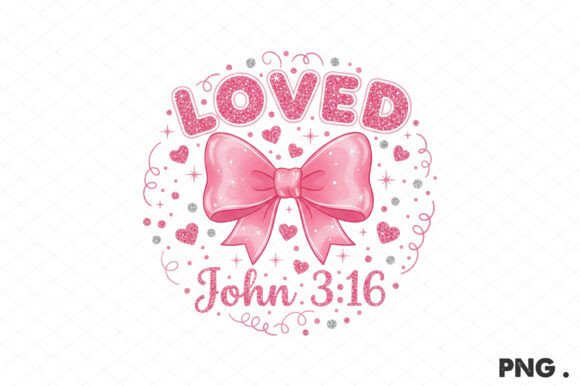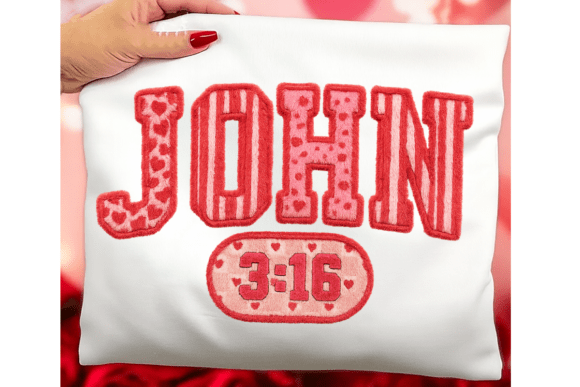
John 3:16 Valentine PNG, Patch Christian
A Designer’s First Look: Warm, Reverent, and Thoughtfully Framed
Opening John 3 16 Valentine PNG,Patch Christian feels like unrolling a quiet moment—soft heart motifs cradling scripture, not shouting it. As an embroidery designer who’s stitched hundreds of faith-based pieces for boutiques, baby blankets, and church gift shops, I immediately notice how this illustration balances reverence with approachability. It’s not ornate or baroque; it’s clean-lined, gently rounded, and clearly built for real-world stitching—not just screen display. The composition leans into vertical rhythm, making it ideal for center-chest placement on sweatshirts or centered on pillow covers. It reads well at 3–4 inches tall, which is where most small-batch makers land for balanced visual weight and stitch fidelity.
Where This Design Truly Shines in Real Projects
I recently prepped a custom embroidered tote bag series for a local women’s ministry—each bag featured a different scripture theme, and John 3 16 Valentine PNG,Patch Christian was the anchor piece. On natural canvas, stitched in soft rose and charcoal thread, it landed beautifully: warm but grounded, tender but intentional. That’s its sweet spot—personalized gifts (baby onesies, baptismal towels), boutique apparel (linen aprons, organic cotton tees), and heartfelt holiday items (Valentine’s Day kitchen towels, Easter pillow covers). It also translates cleanly into an embroidered patch: the outer heart shape gives clear boundaries for satin-stitched edges, and the inner text sits confidently within that frame.
For Etsy sellers and craft fair vendors, this design supports storytelling without overcomplicating. Customers recognize the verse instantly, and the Valentine motif adds seasonal relevance without feeling forced. I’ve seen similar designs underperform when they try to be *too* decorative—lace borders, excessive flourishes—but John 3 16 Valentine PNG,Patch Christian avoids that trap. Its restraint makes it feel handmade, not mass-produced.
What Demands Extra Attention Before Stitching
Let’s be practical: this isn’t a “drop-and-stitch” file for every fabric or hoop size. The inner text—“John 3:16”—is legible at 3 inches, but starts to blur below 2.25". If you’re planning a cap front or a tiny baby onesie chest placement, test stitch first. Tiny lettering + curved surfaces = risk of skipped stitches or thread nesting, especially on stretchy knits. Also, the heart outline uses smooth curves—not sharp points—so it holds up well on textured fabrics like terry cloth or bouclé, but avoid pushing it onto ultra-thin voile without added tear-away stabilizer underneath.
Dark fabric? Yes—but confirm your thread contrast. A light cream satin stitch on navy denim reads clearly; pale pink on black may vanish unless you add a subtle underlay or switch to ecru. And while the design doesn’t pack extreme stitch density, the filled heart area does carry more fill stitches than the surrounding text—so use medium-weight cutaway stabilizer for sweatshirts or layered garments like quilted jackets.
How It Shapes Perception—and Sales
In my experience, customers respond strongly to sincerity over spectacle. John 3 16 Valentine PNG,Patch Christian feels sincere. It doesn’t shout “Christian product”—it invites quiet recognition. That builds trust, especially for faith-based small shops where buyers want authenticity, not cliché. On a handmade tea towel, it reads as thoughtful kitchen decor—not sermon-on-a-sponge. On a baby blanket, it whispers blessing rather than declaring doctrine. That nuance lifts perceived value: buyers pay more for items that feel curated, not copied.
For digital product sellers, this fits neatly into a “Scripture & Season” bundle—paired with Easter or baptism-themed illustrations. As an Illustrations asset, it’s versatile across mockup types: printable mockups for Etsy listings, layered PSDs for branding previews, or SVG exports for hybrid hand-lettering projects. Just remember—its strength lies in cohesion, not complexity. Don’t over-accessorize it with extra icons or borders unless your brand voice consistently leans that way.
Designer Notes You’ll Actually Use
- Always test on scrap fabric first—especially if stitching on fleece, ribbed knit, or dark-colored cotton.
- Check thread color contrast in natural light—not just your screen. What looks bold on monitor may soften on fabric.
- Review stitch order: Does the heart outline stitch before or after the text? That affects coverage and polish on sheer layers.
- Confirm hoop size compatibility. If your machine maxes out at 4x4", this design likely fits—but verify before hooping.
- Inspect small details at actual stitch size: Are the “3” and “16” distinct? Does the colon sit cleanly? Zoom in on your embroidery software.
- Test black-and-white mockups to assess silhouette strength—critical for blind-stitch applications or monochrome branding.
- Compare light vs. dark backgrounds in your mockup workflow. Some hearts read better with a subtle shadow or outline on light fabric.
- Use proper stabilizer: Medium cutaway for stable wovens; lightweight tear-away for linens; fusible + tear-away combo for knits.
- Confirm licensing terms before selling finished items or bundling digitally. Not all Illustrations assets permit commercial embroidery resale.
The Bottom Line for Makers Who Ship Real Work
John 3 16 Valentine PNG,Patch Christian is a quietly capable design—not flashy, but deeply functional. It works because it respects both the message and the medium. It won’t overwhelm a delicate baby onesie, nor shrink into insignificance on a heavyweight tote. It supports intentionality: whether you’re stitching a gift for a friend’s newborn, building inventory for your Etsy shop, or creating limited-run patches for a church fundraiser, this file delivers clarity, warmth, and quiet confidence. It’s the kind of embroidery file that makes your finished product feel like it was made *for someone*, not just *by someone*. And in today’s handmade market—that distinction sells.