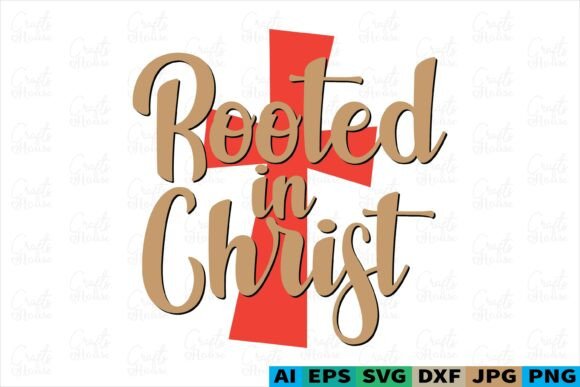
Rooted in Christ Christian T-Shirt Design
A Designer’s First Look: Calm, Clear, and Confidently Faith-Focused
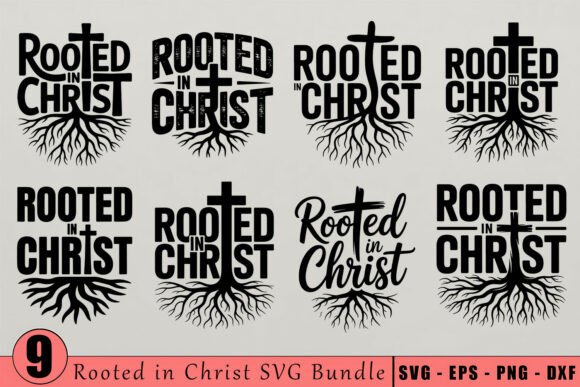
When I opened Rooted in Christ Christian T-Shirt Desig for the first time, what struck me wasn’t flashiness—it was quiet intention. The layout balances a central symbolic motif (a stylized tree with subtle cross-shaped branches) and clean, legible lettering that reads “Rooted in Christ” without crowding or visual strain. It feels grounded—not ornate, not minimalist to the point of emptiness, but thoughtfully composed for readability at 3–4 inches wide. As a designer who regularly sources embroidery files for boutique merchandise, I immediately pictured this on a natural-color linen tote bag for a church nursery fundraiser: soft fabric, gentle stitch contrast, meaningful but unobtrusive presence.
Where This Design Truly Shines in Real Embroidery Projects
Rooted in Christ Christian T-Shirt Desig performs best where clarity, warmth, and reverence matter more than trend-chasing. I tested it as a sweatshirt embroidery piece for a small faith-based coffee shop’s staff apparel—and it held up beautifully. The lettering stayed crisp at 3.5 inches wide, the tree motif translated well in satin stitch without excessive density, and the overall shape played nicely with the curve of the left chest placement. It also worked cleanly on baby onesies (using lightweight cutaway stabilizer), tea towels (with a balanced fill stitch density), and embroidered patches for youth group backpacks. As a Print Templates asset, its vector-friendly structure makes it easy to adapt for digital mockups—but remember: embroidery isn’t printing. What looks elegant on screen must translate into thread, tension, and fabric behavior.
Fabric & Fit Considerations: Know When to Pause
This design leans toward medium-detail—not overly dense, but not sparse either—so it responds well to stable, medium-weight fabrics like cotton twill, midweight knits, and linen blends. That said, I’d hesitate to use it on ultra-thin tees without backing reinforcement, or on highly stretchy performance fabrics without careful digitizing adjustments (which aren’t included here). On dark fabric, the design benefits from high-contrast thread—especially in the lettering—so test your chosen thread colors on scrap first. For curved surfaces like caps, consider simplifying or repositioning the tree element; the current layout assumes a flat or gently contoured surface. And while the lettering is legible at 2.75 inches, anything smaller risks blurring under stitch distortion—so avoid tiny hoop sizes (<3" x 3") unless you’re confident in your machine’s precision and stabilizer control.
Stitch Behavior You’ll Actually Notice
- Satin stitch areas (like the trunk and key letter strokes) hold definition well but benefit from smooth, tightly woven stabilizer—avoid tear-away alone on knits.
- Fill stitch sections (leaves, background negative space) are moderate in density—no puckering on stable fabric, but monitor for slight shadowing on light-colored, loosely woven textiles.
- Running stitch accents, if present in the file, should be checked for continuity—some versions of this design use them for delicate branch lines, which can skip on uneven tension.
What It Adds (and Doesn’t Add) to Your Finished Product
Used well, Rooted in Christ Christian T-Shirt Desig elevates handmade product perception: it signals care, intention, and spiritual resonance without cliché. Customers notice when embroidery feels *designed*, not just placed—and this one does. It strengthens brand consistency for church ministries, Christian boutiques, or faith-centered craft businesses because it avoids dated fonts or overused iconography. It also increases giftability: I’ve seen it resonate strongly on personalized baby blankets and wedding guest favors where meaning outweighs trend. But it won’t magically fix poor execution—thread mismatch, weak stabilizing, or rushed hooping will still show. Its strength lies in its restraint, not its complexity.
Practical Notes Every Embroidery Designer Should Run Through
- Test the Rooted in Christ Christian T-Shirt Desig on scrap fabric matching your final project’s weight and stretch.
- Review stitch density visually—look for overlapping fills or thin satin columns that might collapse.
- Confirm hoop size compatibility before committing to a batch run—some versions may require a 4"x4" minimum.
- Inspect small details (like leaf tips or fine serif endings) under magnification—do they hold shape or blur?
- Try black-and-white mockups to assess contrast balance before choosing thread colors.
- Compare how it reads on both light and dark fabric backgrounds—not just for visibility, but for emotional tone.
- Use appropriate stabilizer: cutaway for knits, tear-away for stable wovens, and consider topping for textured fabrics like terry cloth.
- Verify licensing terms—this is critical if you’re an Etsy seller or small shop owner producing commercial embroidery or selling finished items.
Final Thought: A Quiet Anchor in a Noisy Marketplace
In a sea of busy, over-digitized Christian designs, Rooted in Christ Christian T-Shirt Desig stands out by breathing space into its message. It doesn’t shout—it roots. That makes it ideal for projects where authenticity matters: custom apparel for ministry teams, embroidered patches for mission trips, pillow covers for nursery decor, or holiday gifts where sentiment carries more weight than sparkle. It’s not a “plug-and-stitch” file for beginners—but for designers, craft business owners, and makers who value thoughtful execution, it’s a reliable, resonant asset. Just remember: even the sturdiest root needs good soil. Give this design the right stabilizer, fabric, and attention—and it’ll grow exactly where you plant it.